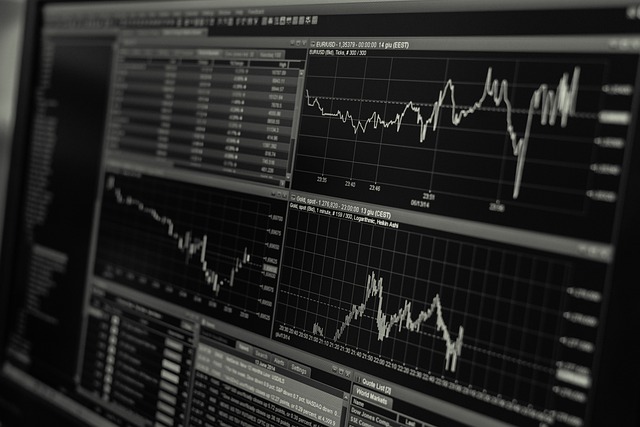
Investing in commodities can feel like stepping into a world both ancient and modern. For centuries, humans have traded physical goods such as gold, oil, wheat, and coffee, yet today, commodities remain at the heart of global financial markets. Understanding what drives their prices and how to navigate trading them can offer investors both opportunities and challenges.
This guide aims to demystify commodities, explain the forces shaping their value, and highlight practical ways to approach trading them effectively.
Understanding Commodities
Commodities are raw materials or primary agricultural products that are interchangeable with other goods of the same type. They fall into two broad categories: hard commodities, like metals and energy products, and soft commodities, including crops and livestock. Unlike stocks or bonds, commodities often have a tangible use in production, consumption, or as a store of value. This intrinsic value gives commodities a unique position in investment portfolios, often acting as a hedge against inflation or economic uncertainty.
Commodities markets can seem complex due to their volatility, but at their core, they respond to simple supply and demand dynamics. These markets are influenced by a mix of global economic trends, political events, natural factors, and investor sentiment. Recognising these influences is crucial for anyone looking to trade or invest in commodities.
Key Factors Driving Commodity Prices
Commodity prices fluctuate due to a range of interconnected factors. One of the most fundamental drivers is supply and demand. For example, a drought can reduce the harvest of wheat or corn, tightening supply and pushing prices higher. Conversely, an unexpected surge in production or improvements in technology can increase supply, exerting downward pressure on prices.
Global economic trends also play a significant role. Commodities such as oil, copper, and iron ore are heavily tied to industrial activity. When global growth accelerates, demand for these resources rises, often leading to price increases. Conversely, during periods of economic slowdown, demand may wane, causing prices to drop.
Geopolitical events are another critical factor. Conflicts in oil-producing regions or trade restrictions on certain goods can disrupt supply chains and create price volatility. Similarly, currency fluctuations can influence commodities traded internationally. Since most commodities are priced in U.S. dollars, a stronger dollar can make commodities more expensive for foreign buyers, potentially dampening demand.
Trading Commodities
Trading commodities involves participating in markets where prices are determined by the factors described above. Investors can access these markets through physical commodities, futures contracts, options, or exchange-traded funds (ETFs). Each method has its own risk profile, liquidity characteristics, and strategic considerations.
Futures contracts are one of the most common ways to trade commodities. These agreements allow traders to buy or sell a commodity at a predetermined price on a future date. Futures can be highly leveraged, offering potential for significant gains, but they also carry increased risk. Successful futures trading requires careful analysis of supply-demand fundamentals, market sentiment, and timing.
For investors seeking a more accessible and less complex route, commodity ETFs or mutual funds offer exposure to a diversified basket of commodities. These instruments allow investors to benefit from trends in commodity prices without dealing directly with physical goods or the intricacies of futures markets. For those new to commodity trading, learning about the advantages of commodities through such instruments can provide a safer entry point while still capturing potential growth.
Strategies for Commodity Traders
Effective commodity trading often requires a blend of analytical approaches. Fundamental analysis focuses on supply-demand dynamics, production data, geopolitical developments, and economic indicators. Technical analysis, on the other hand, examines historical price patterns and market trends to identify potential entry and exit points.
Diversification is a crucial strategy. Commodities can be volatile, and spreading investments across multiple sectors—such as energy, metals, and agriculture—can reduce overall risk. Additionally, monitoring global economic indicators, weather reports, and political developments can help traders anticipate price movements and adjust positions proactively.
Risk management cannot be overstated. Setting stop-loss orders, defining position sizes relative to capital, and avoiding over-leveraging are essential practices to protect against sudden market swings. Traders should also stay informed about changes in regulation or market structure that could affect liquidity or trading costs.
The Role of Commodities in a Portfolio
Commodities offer unique advantages in portfolio construction. They often move independently of traditional asset classes like stocks and bonds, providing a hedge against inflation and market volatility. Precious metals, for instance, tend to retain value when currencies weaken or when inflation rises, making them a popular store of wealth.
Commodities can also serve as a tactical tool. Traders may use them to exploit short-term market dislocations or hedge exposure in other investments. By understanding the underlying factors that drive prices, investors can position themselves to benefit from both upward and downward trends in specific commodities.
Conclusion
Commodities remain an essential component of global finance, bridging the physical and financial worlds. Their prices are influenced by supply and demand, economic cycles, geopolitical events, natural factors, and investor sentiment. Understanding these drivers is fundamental for anyone looking to trade or invest in commodities.
While commodity markets can be volatile, they offer opportunities for portfolio diversification, hedging, and strategic growth. Whether through futures, options, or more accessible vehicles like ETFs, traders can participate in these markets with informed strategies and disciplined risk management.
